★★★★★
I recently had my Audi S3 rear alloy wheel repaired at Alloy Wheel Repair in Grey Lynn. The quality of...

When an alloy wheel cracks from a pothole impact or severe kerb strike, it requires a structural repair, not just a cosmetic patch. Leaving a crack unrepaired allows water ingress and corrosion to spread, eventually leading to catastrophic wheel failure. TIG (Tungsten Inert Gas) welding is the only acceptable method for repairing thin aluminium and alloy wheels.
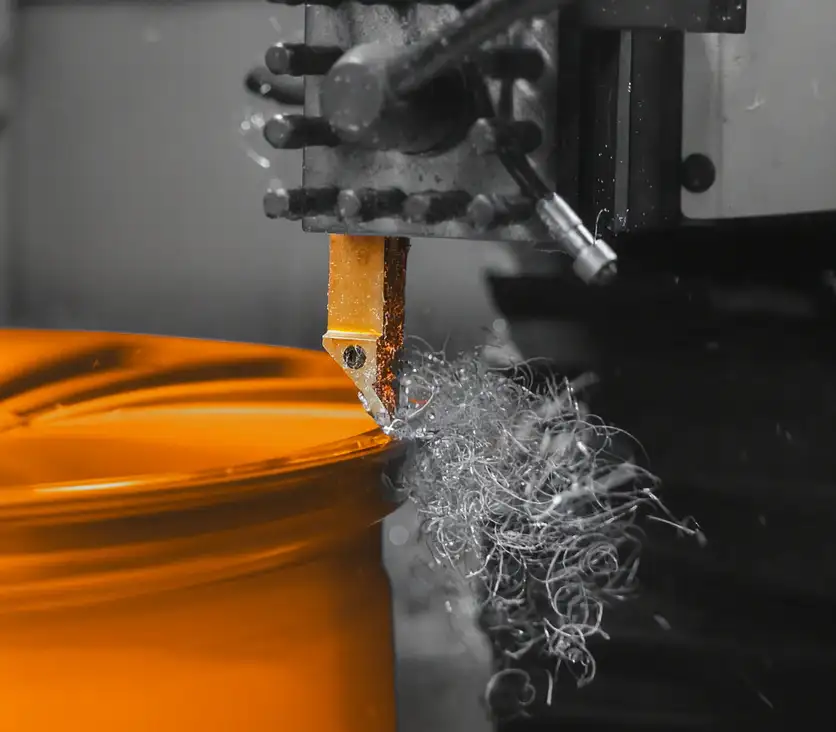
Unlike MIG welding, which is fast but messy, TIG welding provides our technicians with absolute, pinpoint heat control. This allows us to achieve deep, structural penetration without warping the surrounding alloy. The result is a super-clean weld bead that restores the wheel's strength and can be machined back to a flawless, invisible finish.
We treat wheel welding with the seriousness it deserves. A repaired wheel must be safe for highway speeds and heavy braking.
In most cases, yes. When a crack on the inner or outer barrel is correctly assessed, V-grooved, and TIG welded by an experienced technician, the repaired area is often stronger than the original alloy.
No. Once the weld is complete, we machine the excess material back to the wheel's original profile. After the wheel is primed, painted, and clear-coated, the repair is completely invisible.
Most weld jobs are turned around in 1–2 days. We handle everything in-house at our Grey Lynn workshop, meaning your car isn't waiting around for outsourced engineering work.
Don't risk driving on a cracked wheel. Drop by our Grey Lynn workshop, or send photos for a fast quote. We'll TIG it right—and get you back on the road with confidence.
I recently had my Audi S3 rear alloy wheel repaired at Alloy Wheel Repair in Grey Lynn. The quality of...
Massive shout-out to Alloy Wheel Repair. I took in a set of old rims that were well past their best...

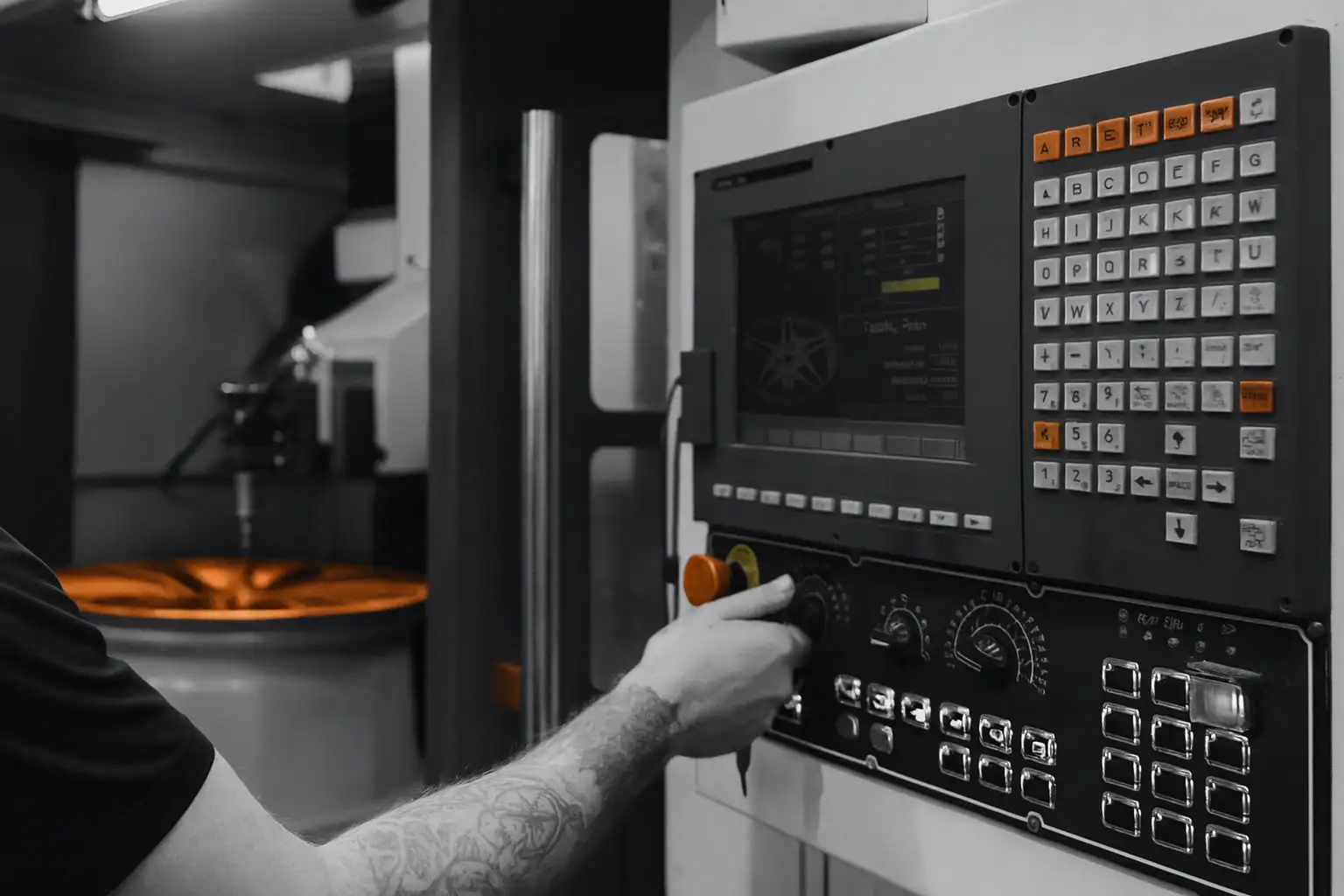
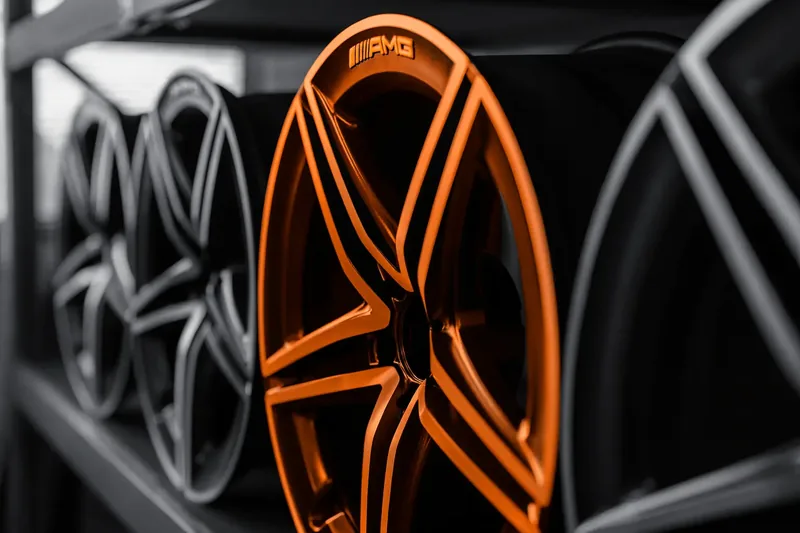
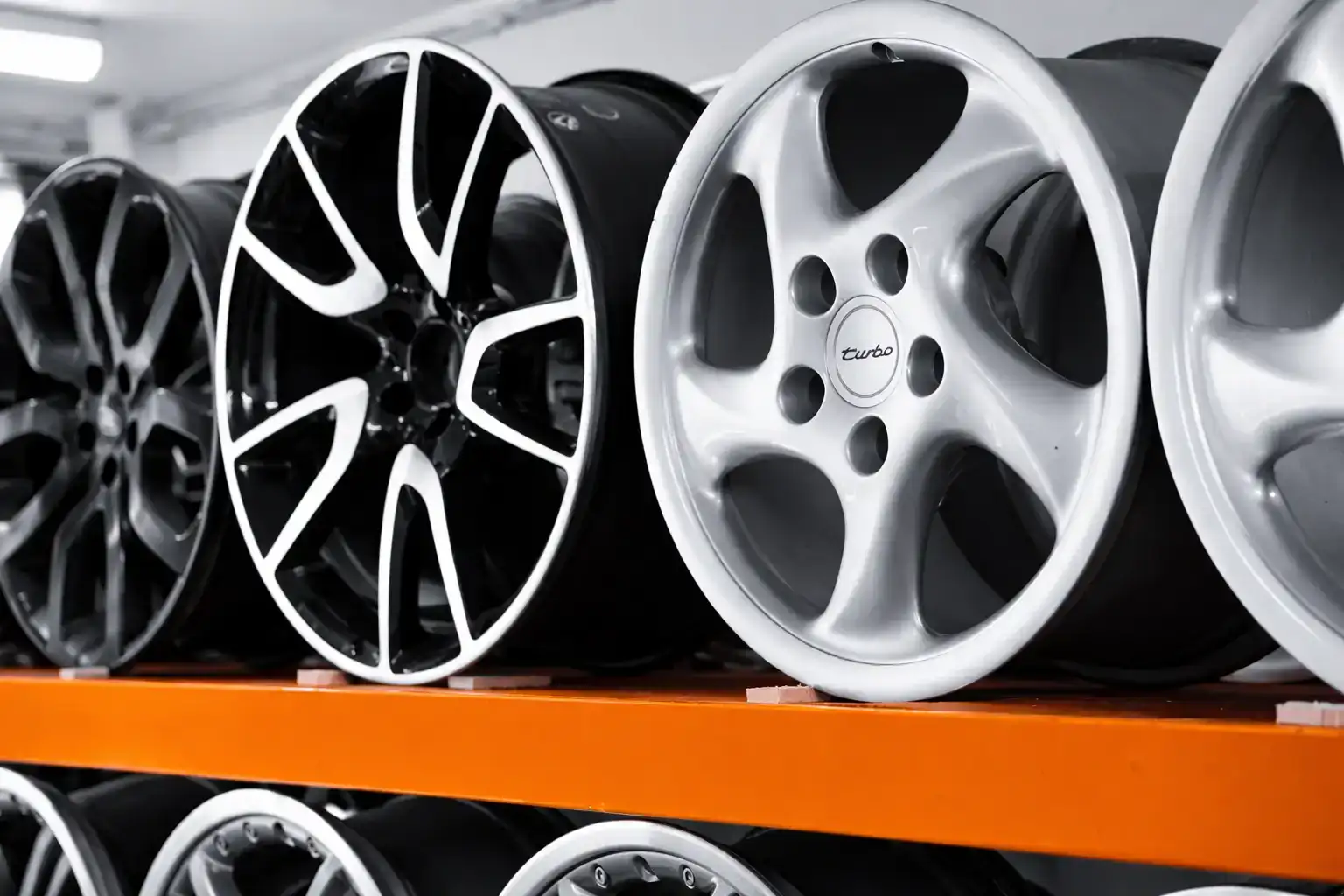
Discover factory-finish alloy wheel repair for every kind of vehicle — prestige, performance, SUV, EV, or everyday runabout. Our specialist technicians restore alloy and mag wheels to a flawless, OEM-quality finish.
We service alloy wheels nationwide from our high-tech workshop in Auckland.
Nearby? Swing by our workshop for a quick, no-pressure check and we will give you a quote while you wait.
Loan wheels and loan vehicles may be available, subject to the repair and current bookings.